
Are you looking for the official Dhwajarohan ceremony Nashik 2026 timings? The spiritual countdown has officially begun for the Simhastha Kumbh Mela. The Maharashtra Government will officially commence the festival with the traditional flag hoisting ritual, marking the start of a 21-month-long holy period that will transform Nashik into the spiritual capital of the world.
This ancient ritual is the most significant event of the year, marking the formal invitation to the deities and the start of a 21-month-long holy period that will transform Nashik into the spiritual capital of the world. For a complete overview of the festival, check out our Nashik Kumbh Mela 2027 Ultimate Guide.
Quick Look: Nashik Kumbh Mela 2026-2028 Schedule
The ceremony signifies the formal invitation to the deities and the start of the 21-month-long festival.
| Event | Date | Time (Muhurta) | Location |
| Main Dhwajarohan | October 31, 2026 | 12:02 PM | Ramkund & Trimbakeshwar |
| Sadhugram Flag Hoisting | July 24, 2027 | To be announced | Tapovan, Nashik |
| Mela Conclusion | July 24, 2028 | 01:36 PM | Flag Lowering Ceremony |
What is the Dhwajarohan Ceremony?
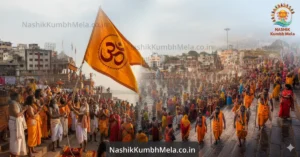
Dhwajarohan literally means “hoisting of the flag.” During this grand ritual, high-ranking Mahants and Sadhus from the 13 Akharas gather to raise a sacred saffron flag atop a ceremonial mast. This act officially declares the commencement of the Simhastha Parva.
While the flag marks the start, many pilgrims visit specifically for the holy dips. It is important to understand the difference between Amrit Snan and Parv Snan before you plan your ritual bath.
Important Update: “Shahi Snan” is now “Amrut Snan”
In a significant change for the 2026-2027 cycle, the Maharashtra Government officially renamed the traditional Shahi Snan (Royal Bath) to Amrut Snan (Nectar Bath)
While the festival starts in October 2026, the major mass bathing events occur in 2027:
- First Amrut Snan: August 2, 2027 (Ashadh Somvati Amavasya)
- Second Amrut Snan: August 31, 2027 (Shravan Amavasya)
- Third Amrut Snan (Nashik): September 11, 2027 (Bhadrapada Shuddha Ekadashi)
- Third Amrut Snan (Trimbakeshwar): September 12, 2027 (Vaman Dwadashi)
Planning Your Visit for the Inauguration
If you plan to attend the Dhwajarohan on October 31, 2026, keep the following in mind:
- Simultaneous Events: The ceremony happens at the exact same time (12:02 PM) in both Nashik and Trimbakeshwar.
- Ramkund Rituals: If you are visiting the Nashik side, be sure to check the Ramkund bathing timings to avoid the peak hours reserved for the Akharas.
- Transport: Nashik will see a massive influx of devotees. We recommend reviewing our guide on how to reach Nashik Kumbh Mela to plan your travel via rail, road, or air efficiently. For official train schedules and bookings, you can visit the Official IRCTC website.
Frequently Asked Questions (FAQ)
The official Dhwajarohan ceremony Nashik 2026 timings are set for 12:02 PM on October 31, 2026. This timing was finalized during high-level meetings between the Maharashtra State Government and the 13 main Akharas to ensure the flag is hoisted during the auspicious Abhijit Muhurta.
Both. The festival officially commences with the Dhwajarohan on October 31, 2026, and concludes on July 24, 2028. However, the main royal baths (Amrut Snans) take place in August and September 2027.
he main ceremony takes place at Ramkund in the Panchavati area on the banks of the Godavari River.
Yes, the ceremony is open to the public, though the administration reserves certain areas near the flag mast for the Mahants and Sadhus of the 13 Akharas.
For the most recent administrative news, pilgrim facilities, and emergency contact details, you should visit the Official Simhastha Kumbh Mela Portal. This portal is managed by the Divisional Commissioner’s Office and serves as the primary digital hub for all official announcements regarding the 2026-2027 cycle.
Official Source Note: The dates and timings listed above were finalized by the Maharashtra State Government and Chief Minister Devendra Fadnavis during the 2025 review meetings with the 13 main Akharas and the Purohit Sangh.


0 Comments