
Planning a pilgrimage to the Nashik-Trimbakeshwar Simhastha Kumbh Mela 2027 can be overwhelming. With millions of devotees flocking to the banks of the Godavari, the most common question we receive is: “On which day should I take the holy bath?” Specifically, understanding the difference between Amrit Snan vs Parv Snan is essential for every pilgrim. While both days offer immense spiritual merit, the choice between them determines the level of crowds, the timing of your rituals, and your overall experience at the ghats. Consequently, we have created this guide to help you choose the best date for your 2027 spiritual journey.
To plan effectively, you must understand the spiritual hierarchy of the bathing dates. The choice between an Amrit Snan vs Parv Snan will define your entire Kumbh experience—from the levels of crowd you face to the spiritual energy you encounter.
1. What is Amrit Snan (Formerly Shahi Snan)?
Traditionally, pilgrims called this the Shahi Snan (Royal Bath). Recently, authorities updated the term to Amrit Snan (Nectar Bath) to better reflect the festival’s Sanskrit roots. These days mark the most powerful moments of the Kumbh Mela. Traditionally, pilgrims called this the Shahi Snan (Royal Bath). However, authorities recently updated the term to Amrit Snan (Nectar Bath) to better reflect the festival’s Sanskrit roots. These days mark the most powerful moments of the Kumbh Mela. Specifically, precise planetary alignments signal the exact time when the Godavari’s water transforms into divine nectar (Amrit). Consequently, millions of devotees arrive on these dates to seek spiritual liberation.
Furthermore, witnessing these processions requires a deep understanding of the ascetic orders. Specifically, you can read about the Akharas and Naga Sadhus to learn more about their history and sacred traditions.
The Ritual Experience
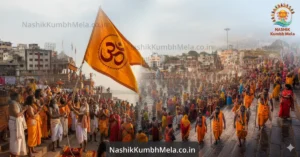
On these days, the 13 Akharas (ancient orders of Sadhus) lead grand, colorful processions known as Peshwai. Witnessing the Naga Sadhus and Mahamandaleshwars enter the water at Ramkund in Nashik or Kushavarta in Trimbakeshwar is a once-in-a-lifetime sight.
- Crowd Status: Extreme. Expect millions of people and heavy security cordons.
- Access: The main ghats are reserved for Sadhus during the early morning hours. The general public is usually allowed to bathe only after the Akharas have completed their rituals.
- Best For: Spiritual seekers, photographers, and those who want to witness the full “Royal” glory of Hindu tradition.
2. What is Parv Snan (The Auspicious Days)?
Admittedly, the Amrit Snan gets all the media attention. However, the Parv Snans are truly the backbone of the Kumbh Mela. This is because they allow the majority of pilgrims to experience the spiritual power of the Godavari at a more sustainable pace. Consequently, these days preserve the continuous flow of devotion throughout the entire festival month.
These are “festive” bathing days that fall on auspicious dates like Ekadashi, Purnima (Full Moon), or Amavasya (New Moon) throughout the Mela period.
The Ritual Experience
The atmosphere on Parv Snan days is more meditative and focused on personal devotion. You won’t see the massive processions of the Akharas, but the spiritual merit (Punya) of bathing on these days is still considered immense.
- Best For: Families, senior citizens, and pilgrims seeking a more peaceful, personal connection with the holy river.
- Crowd Status: High to Moderate. It is still very busy, but significantly more manageable than the Shahi days.
- Access: Most ghats remain open to the general public throughout the day, making it easier to perform personal rituals and prayers without being rushed.
Key Differences: Amrit Snan vs Parv Snan
| Feature | Amrit Snan (Shahi Snan) | Parv Snan (Minor Bath) |
| Astrological Power | Maximum (Amrit Yog) | High (Auspicious Tithis) |
| Main Attraction | Sadhu Processions (Peshwai) | Personal Rituals & Aarti |
| Wait Times | 6–12 Hours | 1–3 Hours |
| Security | Very Strict / Restricted | Moderate |
Nashik Kumbh Mela 2027: Important Dates
To help you choose between an Amrit Snan vs Parv Snan, mark these confirmed dates for the 2027 cycle:
The 3 Main Amrit Snan (Shahi Snan) Dates:
- August 2, 2027: First Amrit Snan (Ashadh Somvati Amavasya)
- August 31, 2027: Second Amrit Snan (Shravan Amavasya)
- September 11–12, 2027: Third Amrit Snan (Bhadrapada Ekadashi) – Note: Nashik and Trimbakeshwar may have different peak hours.
Prominent Parv Snan Dates:
- July 18, 2027: Guru Purnima
- August 17, 2027: Shravan Purnima (Raksha Bandhan)
- September 5, 2027: Rishi Panchami
While choosing between the two is important, you must first mark the official calendar. Specifically, you can view the complete list of Nashik Kumbh Mela 2027 Dates to plan your travel around the three main Amrit Snan windows.
Which Should You Choose?
Furthermore, if your goal is to witness the sheer scale and ancient traditions of the Naga Sadhus, you must visit during an Amrit Snan. However, you should be prepared for long walks because the local administration bans all vehicles near the ghats. Moreover, you will encounter intense crowds during these peak hours. Ultimately, planning your arrival time is crucial for a successful visit.
On the other hand, if you are traveling with family or prefer a calm environment to perform your Vidhi (rituals), a Parv Snan is the superior choice. In fact, choosing these days ensures a much smoother experience for children and senior citizens. Consequently, you can focus entirely on your spiritual prayers without the pressure of the heavy Shahi crowds.
You get the same holy water with a fraction of the chaos.
Pro-Tip: Booking Your Stay
Furthermore, you should note that hotels near the Ramkund and Kushavarta Ghats typically get booked 12 months in advance for Amrit Snan dates. Because demand is so high, prices often increase by 300% to 500% as the event approaches. Therefore, if you plan to attend, we strongly recommend that you start your bookings by mid-2026. Additionally, for official accommodation updates and government-approved guest houses, you can visit the Maharashtra Tourism (MTDC) website. Consequently, by securing your room early, you can avoid last-minute stress and stay closer to the holy river.



0 Comments